

logo
Về chúng tôi
China Jixiang Siji Industrial Co., Ltd.
Về chúng tôi
Jixiang Siji Industrial Co., Ltd.
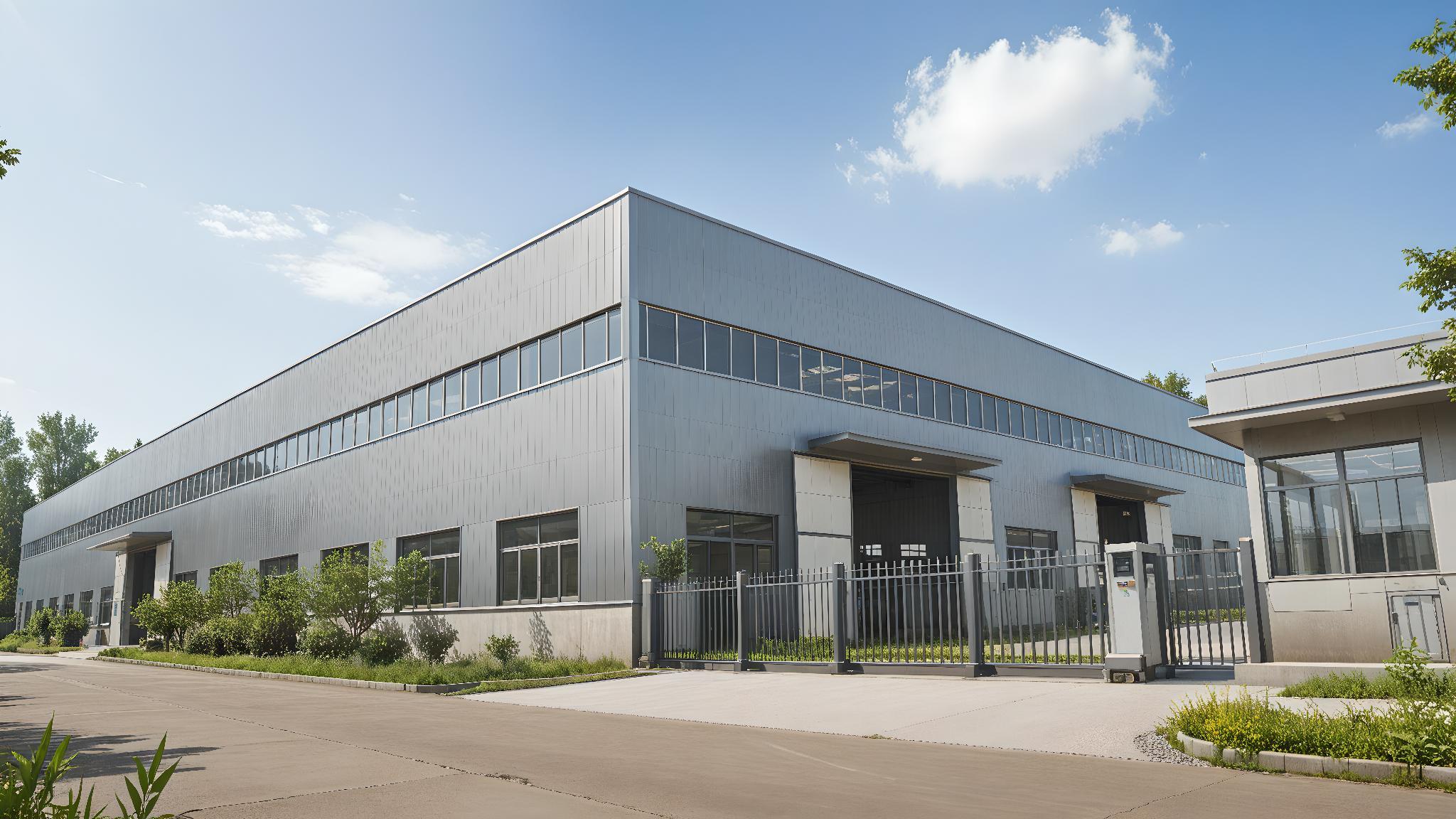
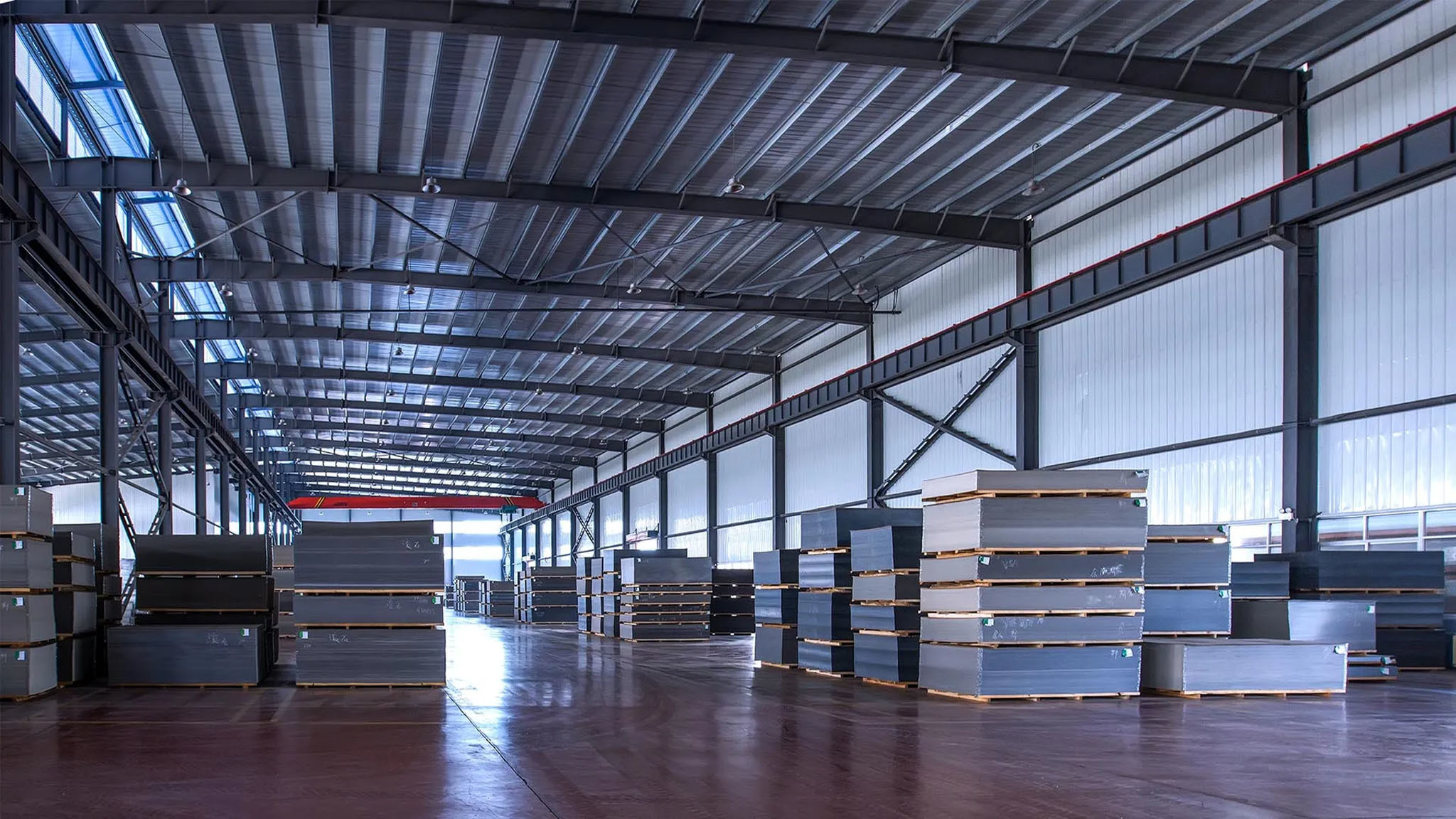
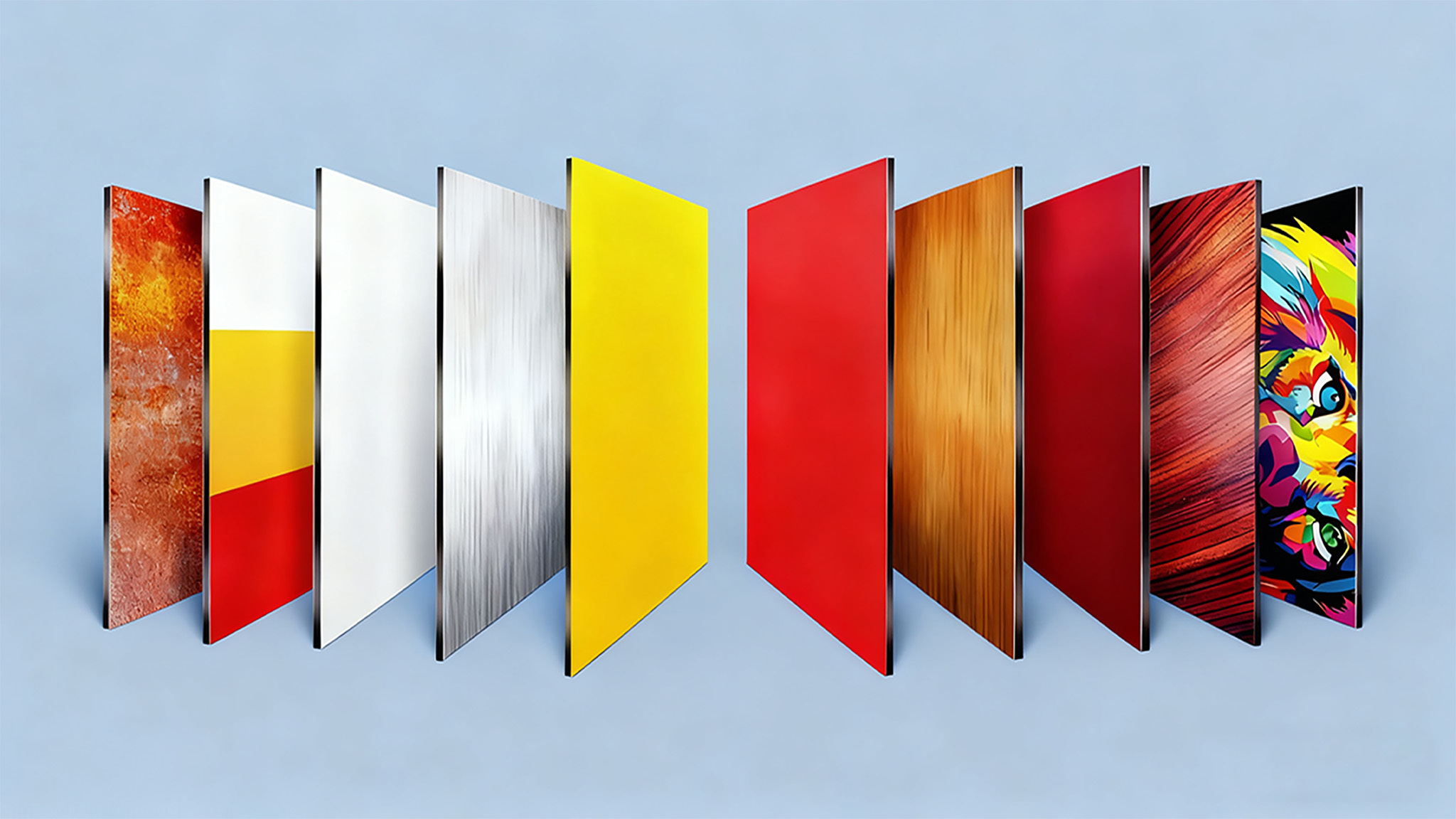
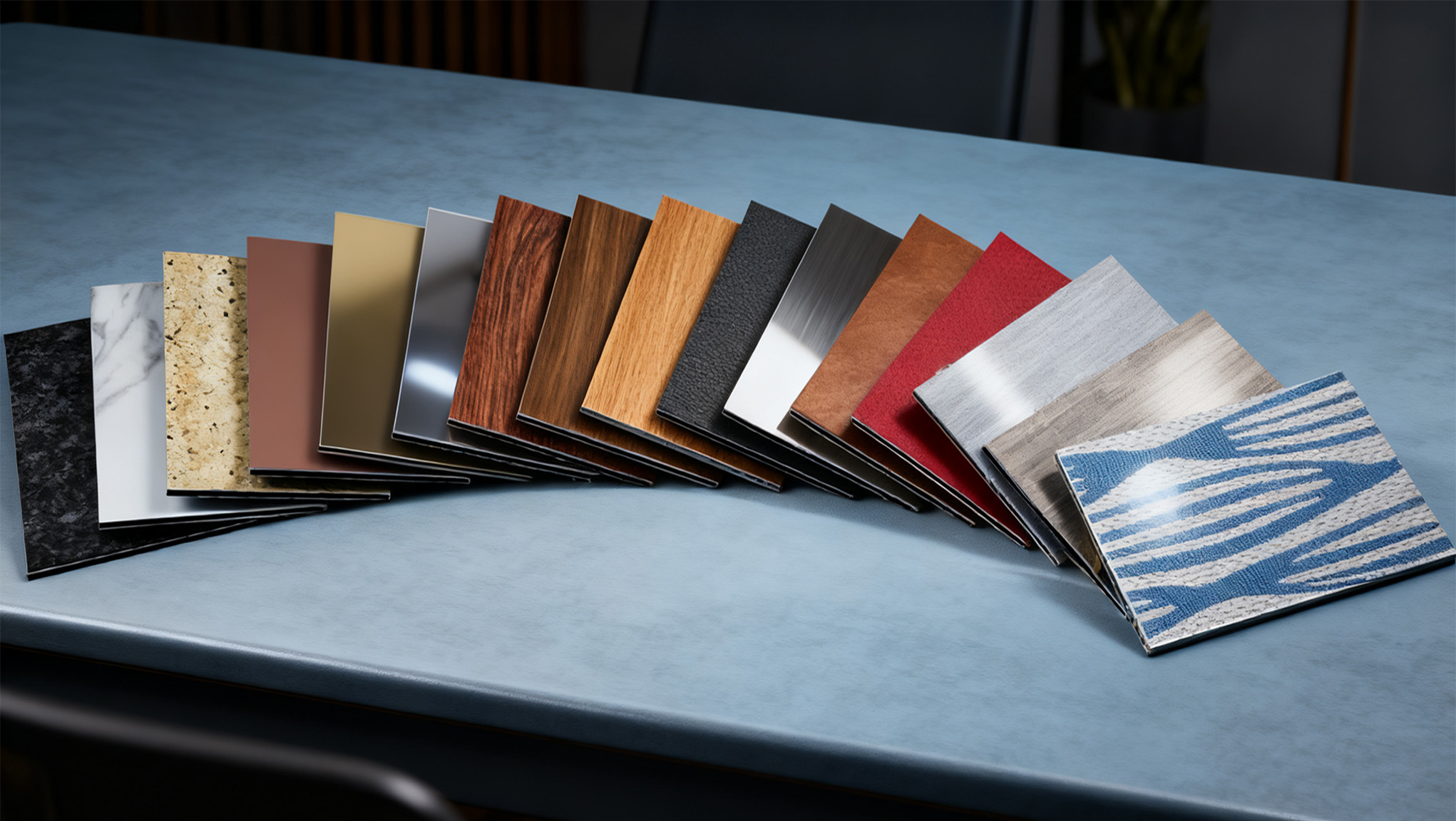
Alushang là một thương hiệu thuộc Jixiang Siji Industrial Co.. Ltd., chuyên về gia công sâu và phun ngoài các tấm composite nhôm, tấm ốp, tấm tổ ong, tấm gợn sóng và trần nhà.Giai đoạn đầu tư là 30 triệu RMB, với diện tích nhà máy là 30000 mét vuông. Nó nằm ở vùng nội địa của Đồng bằng Trung tâm, với giao thông thuận tiện và liền kề với một trung tâm phân phối tài nguyên tấm nhôm chất lượng cao, sở hữu những lợi thế về thời gian, địa điểm và con người. Alushang chủ yếu sản xuất các loại tấm nhôm ...
Đọc thêm
Yêu cầu A Lời trích dẫn
0+
Bán hàng hàng năm
0
Năm
khách hàng
0%
P.C.
0+
Nhân viên
CHÚNG TÔI CUNG CẤP
Dịch vụ tốt nhất!
Bạn có thể liên lạc với chúng tôi bằng nhiều cách khác nhau
Liên hệ với chúng tôi
Jixiang Siji Industrial Co., Ltd.

chất lượng Bảng tổng hợp nhôm PE & Bảng tổng hợp nhôm chống cháy nhà máy sản xuất

Sự kiện
Tin tức mới nhất về công ty Common Facade Material Risks in Southeast Asia and How PVDF ACP Helps Reduce Them
Common Facade Material Risks in Southeast Asia and How PVDF ACP Helps Reduce Them

2026-06-30

/* Unique class name for encapsulation */ .gtr-container-f7h2k3 { font-family: Verdana, Helvetica, "Times New Roman", Arial, sans-serif; color: #333; line-height: 1.6; padding: 15px; max-width: 100%; box-sizing: border-box; } .gtr-container-f7h2k3 { background-color: transparent; } .gtr-container-f7h2k3 { border: none; outline: none; } .gtr-container-f7h2k3 .gtr-heading { font-size: 18px; font-weight: bold; margin-top: 25px; margin-bottom: 15px; color: #3176FF; text-align: left; } .gtr-container-f7h2k3 p { font-size: 14px; margin-bottom: 15px; text-align: left !important; } .gtr-container-f7h2k3 strong { font-weight: bold; color: #333; } .gtr-container-f7h2k3 ul { list-style: none !important; padding-left: 20px; margin-bottom: 15px; } .gtr-container-f7h2k3 ul li { position: relative; padding-left: 20px; margin-bottom: 8px; font-size: 14px; text-align: left; list-style: none !important; } .gtr-container-f7h2k3 ul li::before { content: "•" !important; position: absolute !important; left: 0 !important; color: #3176FF; font-size: 1.2em; line-height: 1; top: 0; } .gtr-container-f7h2k3 ol { list-style: none !important; padding-left: 25px; margin-bottom: 15px; } .gtr-container-f7h2k3 ol li { position: relative; padding-left: 25px; margin-bottom: 8px; font-size: 14px; text-align: left; list-style: none !important; } .gtr-container-f7h2k3 ol li::before { content: counter(list-item) "." !important; position: absolute !important; left: 0 !important; color: #3176FF; font-size: 1em; line-height: 1; top: 0; width: 1.5em; text-align: right; } .gtr-container-f7h2k3 .gtr-table-wrapper { width: 100%; overflow-x: auto; margin-bottom: 20px; } .gtr-container-f7h2k3 table { width: 100%; border-collapse: collapse !important; border-spacing: 0 !important; min-width: 600px; font-size: 14px; text-align: left; } .gtr-container-f7h2k3 th, .gtr-container-f7h2k3 td { border: 1px solid #ccc !important; padding: 10px !important; text-align: left !important; vertical-align: top !important; word-break: normal; overflow-wrap: normal; } .gtr-container-f7h2k3 th { font-weight: bold !important; background-color: #f0f0f0; color: #333; } .gtr-container-f7h2k3 tr:nth-child(even) { background-color: #f9f9f9; } .gtr-container-f7h2k3 tr:nth-child(odd) { background-color: #ffffff; } @media (min-width: 768px) { .gtr-container-f7h2k3 { padding: 25px 40px; max-width: 960px; margin: 0 auto; } .gtr-container-f7h2k3 .gtr-heading { font-size: 22px; margin-top: 30px; margin-bottom: 20px; } .gtr-container-f7h2k3 p { font-size: 14px; margin-bottom: 18px; } .gtr-container-f7h2k3 ul { padding-left: 25px; } .gtr-container-f7h2k3 ul li { padding-left: 25px; } .gtr-container-f7h2k3 ul li::before { font-size: 1.3em; } .gtr-container-f7h2k3 .gtr-table-wrapper { overflow-x: visible; } .gtr-container-f7h2k3 table { min-width: auto; } } Introduction: Southeast Asia Is Not a Mild Climate Every building material performs differently under stress — and Southeast Asia delivers stress in abundance. With equatorial UV indexes routinely exceeding 10, monsoon-season relative humidity above 85%, and coastal salt spray in most major cities, facade materials in the region face an accelerated aging environment that exposes weaknesses far sooner than temperate-zone specifications would predict. The purpose of this article is not to claim that any material eliminates these risks entirely — no material does. Rather, it is to examine the three most common failure modes observed in Southeast Asian facades, and explain how PVDF ACP makes these risks controllable, predictable, and manageable — not avoided, but engineered into acceptable bounds. Risk 1: Premature Fading Color fading is the most visible — and often the earliest — sign of facade material degradation in tropical climates. Under sustained high-UV exposure, organic pigments and resin binders in coating systems undergo photochemical breakdown. The result is a measurable shift in color that progresses from subtle to obvious within a few years. What drives accelerated fading in Southeast Asia: Year-round high solar irradiance (daily peak UV Index 10–12) with no winter respite Dark-colored facades absorb more thermal energy, accelerating pigment degradation Combined effect of UV + humidity creates hydrolytic pathways that break down coating resins faster than UV alone With standard polyester coatings, color shift (ΔE > 3) is commonly observed within 18–30 months in equatorial exposure. PVDF coatings, by contrast, leverage the carbon-fluorine bond — one of the strongest covalent bonds in organic chemistry — which is virtually inert to UV photolysis. Independent weathering studies consistently show PVDF retaining over 80% of original gloss and ΔE under 2 after a decade or more of Florida exposure, a standard proxy for tropical conditions. Risk 2: Surface Chalking Chalking is the progressive degradation of the coating surface into a loose, powdery residue. It occurs when the polymer matrix of the coating breaks down under UV attack, leaving exposed pigment particles that can be wiped off by hand. While chalking begins as a cosmetic issue, it signals deeper coating failure and accelerates further degradation by increasing surface porosity. Why chalking is particularly aggressive in the region: UV photo-oxidation of the coating binder is continuous, not seasonal Frequent heavy rainfall washes away degraded surface material, constantly exposing fresh layers to UV attack — a cyclic erosion process Once chalking begins, the roughened surface traps dirt and biological growth (mold, algae), compounding aesthetic degradation PVDF coatings resist chalking through the inherent chemical stability of the fluoropolymer backbone. Unlike polyester or acrylic resins that contain UV-sensitive ester or ether linkages, the fully fluorinated PVDF structure offers no reactive sites for photo-oxidation to attack. The result is a coating that maintains surface integrity for 15–20+ years even under continuous equatorial exposure. Risk 3: Delamination and Structural Instability Delamination — the separation of the aluminum skin from the polyethylene core — is the most serious of the three risks because it transitions from aesthetic concern to structural hazard. When moisture penetrates through a degraded or micro-cracked coating and reaches the bond interface between aluminum and core, it initiates progressive bond failure that can spread across entire panel sections. Contributing factors in Southeast Asian conditions: Persistent high humidity maintains a constant moisture drive across the coating barrier Thermal cycling (diurnal swings of 10–15°C on dark surfaces) creates differential expansion between aluminum skin and PE core, mechanically stressing the adhesive bond Coastal salt deposition accelerates corrosion at any exposed aluminum edge or coating breach PVDF ACP addresses delamination risk through two mechanisms. First, the superior long-term integrity of the PVDF coating maintains an effective moisture barrier far longer than alternative coatings, preventing the water ingress that initiates bond failure. Second, the dimensional stability of PVDF under thermal cycling reduces coating micro-cracking, preserving the barrier function across years of expansion-contraction cycles. The Risk Philosophy: Controllable, Not Avoided No facade material — including PVDF ACP — can guarantee zero degradation in Southeast Asian conditions. Coatings will weather, colors will shift, and surfaces will age. The engineering question is not whether these things happen, but at what rate, with what predictability, and with what consequence. Risk Standard Coating (Polyester) PVDF Coating Risk Reduction Fading (ΔE > 3) 18–30 months 10+ years (ΔE < 2) 4–6× longer service window Chalking Onset 2–4 years 15–20+ years 5–7× longer surface integrity Delamination Risk Elevated after 5–8 years Minimal within 15–20 year window Barrier integrity maintained 3× longer Predictability Variable — batch and exposure dependent Highly consistent — well-documented weathering data Engineering-grade predictability PVDF ACP does not eliminate these risks. It compresses them into a much longer, more predictable timeline — converting unknowns into knowns, and allowing project stakeholders to plan maintenance cycles with confidence rather than react to surprises. Conclusion In Southeast Asia's high-UV, high-humidity environment, facade material selection is fundamentally a risk management exercise. Premature fading, surface chalking, and delamination are not rare exceptions — they are predictable consequences of material choices made at specification stage. PVDF ACP cannot make these risks disappear, but it can make them slow, measurable, and manageable across a 15–20 year service window. For developers, architects, and contractors who value predictability over short-term savings, that distinction is the entire business case.
Xem thêm
Tin tức mới nhất về công ty Why Color Consistency Matters in Large-Scale ACP Facade Projects: A Project Management Perspective
Why Color Consistency Matters in Large-Scale ACP Facade Projects: A Project Management Perspective

2026-06-30

/* Root container */ .gtr-container-x7y2z9 { font-family: Verdana, Helvetica, "Times New Roman", Arial, sans-serif; color: #333; line-height: 1.6; padding: 15px; box-sizing: border-box; } /* Headings (converted from h3) */ .gtr-container-x7y2z9 .gtr-heading-level3 { font-size: 18px; font-weight: bold; margin-top: 25px; margin-bottom: 15px; color: #3176FF; text-align: left; } /* Paragraphs */ .gtr-container-x7y2z9 p { font-size: 14px; margin-bottom: 1em; text-align: left !important; } /* Unordered List */ .gtr-container-x7y2z9 ul { list-style: none !important; padding-left: 20px; margin-bottom: 1em; } .gtr-container-x7y2z9 ul li { list-style: none !important; position: relative; padding-left: 20px; margin-bottom: 0.5em; font-size: 14px; text-align: left !important; } .gtr-container-x7y2z9 ul li::before { content: "•" !important; position: absolute !important; left: 0 !important; color: #3176FF; font-size: 1.2em; line-height: 1; } /* Ordered List */ .gtr-container-x7y2z9 ol { list-style: none !important; padding-left: 25px; margin-bottom: 1em; counter-reset: list-item; } .gtr-container-x7y2z9 ol li { display: list-item; list-style: none !important; position: relative; padding-left: 25px; margin-bottom: 0.5em; font-size: 14px; text-align: left !important; } .gtr-container-x7y2z9 ol li::before { content: counter(list-item) "." !important; position: absolute !important; left: 0 !important; color: #3176FF; font-size: 1em; line-height: 1; width: 1.5em; text-align: right; } /* Table styling */ .gtr-container-x7y2z9 .gtr-table-wrapper { width: 100%; overflow-x: auto; margin-top: 20px; margin-bottom: 20px; } .gtr-container-x7y2z9 table { width: 100%; border-collapse: collapse !important; border-spacing: 0 !important; font-size: 14px; min-width: 600px; } .gtr-container-x7y2z9 th, .gtr-container-x7y2z9 td { border: 1px solid #ccc !important; padding: 10px !important; text-align: left !important; vertical-align: top !important; word-break: normal; overflow-wrap: normal; } .gtr-container-x7y2z9 th { font-weight: bold !important; background-color: #f0f0f0; color: #333; } /* Zebra striping for table rows */ .gtr-container-x7y2z9 tbody tr:nth-child(even) { background-color: #f9f9f9; } /* Responsive design for PC */ @media (min-width: 768px) { .gtr-container-x7y2z9 { padding: 20px 40px; max-width: 960px; margin: 0 auto; } .gtr-container-x7y2z9 .gtr-heading-level3 { margin-top: 30px; margin-bottom: 20px; } .gtr-container-x7y2z9 .gtr-table-wrapper { overflow-x: visible; } .gtr-container-x7y2z9 table { min-width: auto; } } Introduction: The Hidden Challenge of Scale In small-scale facade projects, color consistency is rarely a concern — a single production batch covers the entire elevation, and the architect's specified RAL or Pantone reference is faithfully delivered. But when the project scales to tens of thousands of square meters across multiple buildings, zones, and installation phases, color consistency transforms from a quality checkmark into a project-level risk that demands proactive management. The reality of large-scale ACP facade construction introduces an unavoidable complexity: one facade, multiple batches, installed simultaneously across different zones by different crews. Without deliberate consistency management, what begins as a specification on paper can end as visible patchwork on the building. The Engineering Reality: Why Batches Differ Color variation between production batches is not a defect — it is a physical reality of industrial coating processes. Even with stringent quality control, the following factors introduce measurable variation: Coating Line Conditions: Slight variations in oven temperature profiles, line speed, and ambient humidity between production runs affect coating thickness, cure rate, and final surface reflectance — all of which influence perceived color. Raw Material Variation: Aluminum coil from different mill lots can exhibit subtle differences in surface texture and pretreatment response, altering how the coating bonds and reflects light. Pigment Dispersion: Even with precision metering equipment, pigment concentration in PVDF or polyester coatings can drift within tolerance bands (typically ±5%), producing ΔE values that are individually acceptable but visually cumulative across a large facade. Aging and Environmental Exposure: Panels from early batches installed months before later batches will have already begun their weathering journey, creating apparent color differences that are not manufacturing defects but differential aging effects. The Real Cost: Rework Risk and Schedule Impact When color inconsistency is discovered on-site — typically after multiple installation zones are complete — the consequences cascade through the project timeline and budget: Impact Area Description Typical Cost Multiplier Visual Inspection Failures Architect or client rejects installed panels due to visible color banding or patchwork appearance across zones — Panel Replacement Removing and replacing non-matching panels — requires new production, shipping, and reinstallation 3–5× original panel cost Schedule Delay Production lead time (4–8 weeks) plus reinstallation disrupts downstream trades and overall project milestones Penalty clauses, extended site overhead Reputational Damage A visibly inconsistent facade becomes a permanent advertisement of quality shortcomings for contractor and supplier alike Unquantifiable but lasting Dispute Resolution Assigning liability between coating supplier, panel fabricator, and installer consumes management resources and can lead to legal costs Variable, often substantial Consistency as a Project Management Discipline The most successful large-scale ACP projects treat color consistency not as a product specification to be verified on arrival, but as a project workflow to be managed from procurement through installation: Pre-Production Batch Planning: Map the total facade area against production capacity and determine the minimum number of batches required. Where possible, consolidate critical visible elevations into a single production run. Master Reference Panel: Establish a physical master panel signed off by all stakeholders before production begins. Every subsequent batch is compared against this single reference — not against the previous batch, which can allow gradual drift. Batch-to-Batch Measurement Protocol: Require colorimetry readings (L*a*b* values, ΔE) for each production batch against the master reference, with a defined rejection threshold (typically ΔE ≤ 1.0 for critical facades). Installation Zone Sequencing: Install panels from the same production batch within contiguous visual zones. Avoid mixing batches within a single elevation plane wherever possible. When transitions between batches are unavoidable, place them at architectural breaks (expansion joints, corners, floor lines) where the visual seam is naturally concealed. On-Site Dry Layout Verification: Before permanent fixing, conduct a dry layout of panels spanning the batch transition zone under natural daylight conditions. This 30-minute check can prevent weeks of rework. Conclusion Color consistency in large-scale ACP facade projects is fundamentally a project management challenge, not merely a product quality metric. While coating technology and factory QC are essential foundations, they cannot compensate for the absence of batch planning, installation sequencing, and on-site verification protocols. Contractors and specifiers who recognize this distinction — and invest in the management processes that bridge production and installation — deliver facades where color uniformity is not a pleasant surprise, but a planned outcome.
Xem thêm
Tin tức mới nhất về công ty PVDF ACP vs Polyester ACP: Choosing the Right Material for Long-Term Southeast Asia Exterior Projects
PVDF ACP vs Polyester ACP: Choosing the Right Material for Long-Term Southeast Asia Exterior Projects

2026-06-30

/* Unique root container for encapsulation */ .gtr-container-acp789 { font-family: Verdana, Helvetica, "Times New Roman", Arial, sans-serif; color: #333; line-height: 1.6; padding: 15px; max-width: 100%; box-sizing: border-box; margin: 0 auto; } /* Headings - converted from h3 to p with class */ .gtr-container-acp789 .gtr-heading-acp789 { font-size: 18px; font-weight: bold; color: #3176FF; margin-top: 1.5em; margin-bottom: 1em; text-align: left; } /* Paragraph styling */ .gtr-container-acp789 p { font-size: 14px; margin-bottom: 1em; text-align: left; } /* Strong/bold text */ .gtr-container-acp789 strong { font-weight: bold; } /* Unordered list styling */ .gtr-container-acp789 ul { list-style: none !important; margin: 0 0 1em 0 !important; padding: 0 !important; } .gtr-container-acp789 ul li { list-style: none !important; position: relative; padding-left: 20px; margin-bottom: 0.5em; font-size: 14px; text-align: left; } .gtr-container-acp789 ul li::before { content: "•" !important; position: absolute !important; left: 0 !important; color: #3176FF; font-size: 1.2em; line-height: 1; top: 0; } /* Ordered list styling */ .gtr-container-acp789 ol { list-style: none !important; margin: 0 0 1em 0 !important; padding: 0 !important; counter-reset: list-item; /* Reset counter for ordered list */ } .gtr-container-acp789 ol li { list-style: none !important; position: relative; padding-left: 25px; /* Adjust for number width */ margin-bottom: 0.5em; font-size: 14px; text-align: left; counter-increment: none; /* Increment counter for each list item */ } .gtr-container-acp789 ol li::before { content: counter(list-item) "." !important; position: absolute !important; left: 0 !important; color: #3176FF; font-weight: bold; width: 20px; /* Fixed width for numbers */ text-align: right; top: 0; } /* Table wrapper for responsiveness */ .gtr-container-acp789 .gtr-table-wrapper { overflow-x: auto; margin-bottom: 1.5em; } /* Table styling */ .gtr-container-acp789 table { width: 100%; border-collapse: collapse; border-spacing: 0; min-width: 600px; /* Ensure table is wide enough to scroll on small screens */ } .gtr-container-acp789 th, .gtr-container-acp789 td { padding: 10px 15px; border: 1px solid #ccc !important; /* Enforce border */ text-align: left; vertical-align: top; font-size: 14px; line-height: 1.4; } .gtr-container-acp789 th { font-weight: bold; background-color: #f0f0f0; /* Light background for header */ color: #333; } /* Zebra striping for table rows */ .gtr-container-acp789 tbody tr:nth-child(even) { background-color: #f9f9f9; } /* Responsive adjustments for PC screens */ @media (min-width: 768px) { .gtr-container-acp789 { padding: 25px; max-width: 960px; /* Constrain width for better readability on large screens */ } .gtr-container-acp789 .gtr-heading-acp789 { font-size: 20px; } .gtr-container-acp789 table { min-width: auto; /* Remove min-width on larger screens */ } } Introduction: The Southeast Asia Climate Reality When specifying aluminum composite panels (ACP) for exterior projects in Southeast Asia, architects and contractors face a decision that goes far beyond datasheet comparisons. The region's unique climate — characterized by intense year-round UV radiation, monsoon-driven humidity exceeding 80%, and salt-laden coastal air — creates a testing ground where material performance is measured not in laboratory conditions, but in real-world endurance over years of exposure. The question is not simply "which ACP is better," but rather: which material aligns with your project's lifecycle expectations and risk tolerance? Understanding the Environmental Stress Factors Southeast Asia presents a uniquely aggressive combination of environmental stressors that accelerate facade material degradation: High UV Radiation: Proximity to the equator means consistently high UV index levels (often 10–12) throughout the year, causing rapid photo-degradation of organic coatings and resins. Persistent High Humidity: Average relative humidity of 75–85% promotes hydrolysis, mold growth, and adhesive bond deterioration in panel core materials. Thermal Cycling: Daily temperature swings between 25°C and 38°C, combined with direct solar gain on dark surfaces, subject panels to continuous expansion-contraction stress. Coastal Salinity: Many key Southeast Asian markets (Singapore, Bangkok, Jakarta, Manila, Ho Chi Minh City) are coastal, adding salt-spray corrosion to the degradation equation. Polyester ACP: The Short-Cycle Solution Polyester (PE) coated ACP has long been the entry-level choice for exterior cladding, valued primarily for its cost-effectiveness and wide availability. In controlled or mild climates, PE coatings can deliver satisfactory performance for 3–7 years before visible degradation sets in. However, under Southeast Asian conditions, the limitations become apparent much sooner: UV-Induced Chalking and Fading: Polyester resins contain ester bonds that are inherently susceptible to UV photolysis. Within 12–24 months of equatorial exposure, PE-coated panels typically exhibit measurable gloss reduction (often exceeding 50%) and visible color shift (ΔE > 3). Humidity-Driven Delamination Risk: Moisture ingress through micro-cracks in weathered PE coatings can reach the polyethylene core, compromising the bond between aluminum skin and core material. This is particularly critical in buildings without adequate overhang or drip-edge protection. Short Maintenance Cycle: Projects relying on PE ACP in high-exposure Southeast Asian environments should budget for recoating or panel replacement within 5–8 years — a cost that can erase initial material savings. Best-fit applications for Polyester ACP in Southeast Asia: temporary structures, interior partitions, signage with limited exterior exposure, low-rise buildings with substantial shade, and projects with planned short lifecycles (under 5 years) where initial budget is the primary constraint. PVDF ACP: Engineered for Endurance Polyvinylidene fluoride (PVDF) coatings represent a fundamentally different approach to exterior durability. The carbon-fluorine bond — one of the strongest in organic chemistry — provides inherent resistance to UV degradation, chemical attack, and environmental weathering that polyester chemistry cannot match. Key performance advantages in Southeast Asian conditions: Superior UV Resistance: PVDF coatings routinely retain over 80% of original gloss after 10+ years of equatorial exposure. The fluoropolymer backbone is virtually inert to UV photolysis, meaning color stability (ΔE typically under 2) is maintained far longer than with PE alternatives. Moisture Barrier Integrity: PVDF's low surface energy and chemical stability create an effective long-term moisture barrier. Even after years of monsoon exposure, the coating resists hydrolysis and maintains its protective function against core delamination. Extended Service Life: Buildings clad with PVDF ACP in Southeast Asia typically require only cleaning maintenance for 15–20+ years before any recoating consideration — delivering substantially lower total cost of ownership when lifecycle is factored in. Self-Cleaning Properties: The low surface energy of PVDF also reduces dirt adhesion, helping facades maintain their appearance through seasonal rain washing — a practical advantage in regions with frequent rainfall. Comparative Summary Factor Polyester ACP PVDF ACP UV Resistance Moderate — fades within 2–3 years Excellent — 10+ years color stability Humidity Tolerance Limited — delamination risk after 5–8 years High — maintains barrier integrity long-term Typical Service Life (SE Asia) 5–8 years 15–20+ years Maintenance Cycle Recoat/replace every 5–8 years Cleaning only for 15+ years Initial Material Cost Lower Higher Lifecycle Cost (20yr TCO) Higher (incl. replacement cycles) Lower (single installation) Ideal Project Type Short-cycle, non-critical facade Long-term, engineering-stability priority The Decision Framework: Project Cycle × Risk Tolerance In Southeast Asian markets, the choice between Polyester and PVDF ACP is rarely about material grade hierarchy. Instead, it is a function of two intersecting variables: Project Lifecycle Expectation: Is this a 3-year pop-up commercial space or a 30-year institutional landmark? The longer the intended service period, the more the PVDF premium becomes a necessity rather than an option. Risk Tolerance Profile: What is the consequence of premature facade degradation? For a retail kiosk, faded panels are a cosmetic nuisance. For a corporate headquarters or luxury condominium, they represent reputational damage and potential safety liabilities. For project stakeholders operating in Southeast Asia, the engineering-first approach means evaluating these two factors honestly — and recognizing that the "cheaper" PE option may carry hidden lifecycle costs that only become visible under the region's unforgiving sun and rain. Conclusion There is no universally correct answer to the PVDF vs Polyester ACP question — only the answer that best fits your project's specific context. In Southeast Asia, where climate accelerates every degradation mechanism, the decision is ultimately a risk management calculation. Short-cycle, budget-driven projects with low failure consequence can be well-served by Polyester ACP. Projects where long-term facade integrity is non-negotiable should default to PVDF. The key is to make this choice consciously, with full awareness of the environmental realities that Southeast Asia brings to every exterior surface.
Xem thêm
Tin tức mới nhất về công ty Tấm nhôm composite PVDF cho các dự án mặt tiền Đông Nam Á: Hướng dẫn lựa chọn kỹ thuật
Tấm nhôm composite PVDF cho các dự án mặt tiền Đông Nam Á: Hướng dẫn lựa chọn kỹ thuật

2026-06-30

/* Unique root container for encapsulation */ .gtr-container-f8k2p5q9 { font-family: Verdana, Helvetica, "Times New Roman", Arial, sans-serif; color: #333; line-height: 1.6; padding: 15px; box-sizing: border-box; } /* Main title styling */ .gtr-container-f8k2p5q9 .gtr-title { font-size: 18px; font-weight: bold; color: #3176FF; margin-top: 0; margin-bottom: 1.5em; text-align: left !important; } /* Section title styling */ .gtr-container-f8k2p5q9 .gtr-section-title { font-size: 16px; font-weight: bold; color: #3176FF; margin-top: 2em; margin-bottom: 1em; text-align: left !important; } /* Paragraph styling */ .gtr-container-f8k2p5q9 p { font-size: 14px; margin-bottom: 1em; text-align: left !important; line-height: 1.6; word-break: normal; overflow-wrap: normal; } /* Unordered list styling */ .gtr-container-f8k2p5q9 ul { margin: 1em 0; padding-left: 20px; list-style: none !important; } .gtr-container-f8k2p5q9 ul li { position: relative; padding-left: 15px; margin-bottom: 0.5em; list-style: none !important; font-size: 14px; } .gtr-container-f8k2p5q9 ul li::before { content: "•" !important; position: absolute !important; left: 0 !important; color: #3176FF; font-size: 1.2em; line-height: 1; top: 0; } /* Ordered list styling */ .gtr-container-f8k2p5q9 ol { margin: 1em 0; padding-left: 25px; list-style: none !important; } .gtr-container-f8k2p5q9 ol li { position: relative; padding-left: 20px; margin-bottom: 0.5em; list-style: none !important; font-size: 14px; } .gtr-container-f8k2p5q9 ol li::before { content: counter(list-item) "." !important; position: absolute !important; left: 0 !important; color: #3176FF; font-weight: bold; width: 20px; text-align: right; top: 0; } /* Responsive adjustments for PC */ @media (min-width: 768px) { .gtr-container-f8k2p5q9 { padding: 20px 40px; max-width: 960px; margin: 0 auto; } } Tại sao Tấm nhôm Composite PVDF thống trị các dự án mặt tiền Đông Nam Á: Hướng dẫn lựa chọn kỹ thuật Khí hậu nhiệt đới của Đông Nam Á, đặc trưng bởi bức xạ tia cực tím không ngừng, độ ẩm tương đối cao và phun muối ven biển, đặt ra những thách thức nghiêm trọng đối với lớp vỏ kiến ​​trúc. Đối với chủ dự án, kỹ sư mặt tiền và người quản lý mua sắm B2B ở các khu vực như Việt Nam, Thái Lan và Philippines, việc lựa chọn vật liệu trực tiếp quyết định chi phí vòng đời dự án. Trong số các vật liệu khác nhau, Tấm nhôm tổng hợp PVDF (Polyvinylidene Fluoride) (ACP) đã nổi lên như một tiêu chuẩn công nghiệp cho các bức tường rèm cao tầng và mặt tiền thương mại. Hướng dẫn này phân tích cơ sở lý luận kỹ thuật đằng sau việc lựa chọn PVDF ACP, cung cấp thông tin chi tiết về kiểm soát rủi ro quan trọng và hiệu suất cho độ bền kết cấu. Bối cảnh thị trường: Chi phí kiến ​​trúc của khí hậu nhiệt đới Ở Đông Nam Á, mặt tiền liên tục phải chịu nhiệt độ môi trường vượt quá 35 độ C và tiếp xúc với tia cực tím cường độ cao. Lớp phủ polyester (PE) tiêu chuẩn xuống cấp nhanh chóng trong những điều kiện này, dẫn đến tạo phấn, nứt nhỏ và phai màu nghiêm trọng trong vòng vài năm. Hơn nữa, việc tiếp xúc kéo dài với mưa gió mùa lớn và độ ẩm cao sẽ đẩy nhanh quá trình phong hóa hóa học, có nguy cơ bị bong tróc nếu liên kết lõi và lớp phủ của tấm bị tổn hại. Do đó, các quy định xây dựng trong khu vực và các nhà thầu Cấp 1 yêu cầu nghiêm ngặt việc ốp bên ngoài hiệu suất cao có khả năng chống chọi với các yếu tố này. Đối tượng mục tiêu và các kịch bản ứng dụng: Nơi giảm thiểu rủi ro quan trọng nhất Việc lựa chọn PVDF ACP là rất quan trọng đối với các ứng dụng có yêu cầu cao cụ thể: Tòa nhà thương mại cao tầng: Những bức tường rèm nơi việc bảo trì sau lắp đặt hoặc thay thế bảng điều khiển gây ra những khó khăn về chi phí và hậu cần cực kỳ cao. Cơ sở hạ tầng và trung tâm công cộng: Sân bay, trạm trung chuyển và khu phức hợp chính phủ yêu cầu tuổi thọ dịch vụ được chứng nhận từ trên 15 đến 20 năm. Phát triển ven biển: Các dự án đô thị nằm gần bờ biển, đòi hỏi khả năng chống ăn mòn do clorua và phun muối trong khí quyển cao cấp. Đối với người mua và nhà phát triển B2B, việc chọn thông số kỹ thuật bảng điều khiển chính xác không chỉ liên quan đến tính thẩm mỹ; nó là một bài tập về kiểm soát rủi ro cơ cấu. Giải pháp của chúng tôi: PVDF ACP được thiết kế để có độ bền tối đa Để chống lại thời tiết nhiệt đới, nhà máy của chúng tôi sử dụng hệ thống phủ nhựa fluoropolymer 70% Kynar 500 hoặc Hylar 5000 PVDF tiên tiến. Cấu trúc hóa học này có các liên kết carbon-flo có tính ổn định cao, chống lại sự phân hủy của tia cực tím, duy trì tính toàn vẹn của màu sắc và duy trì độ bóng dưới bức xạ mặt trời kéo dài. Quy trình sản xuất của chúng tôi đảm bảo các đặc tính vật lý mạnh mẽ được thiết kế cho môi trường khắc nghiệt: Tổng độ dày của tấm: 4,0 mm hoặc 5,0 mm. Điều này tối ưu hóa độ cứng kết cấu và khả năng chịu tải trọng gió. Độ dày vỏ nhôm: 0,40 mm hoặc 0,50 mm (sử dụng AA3003 hoặc AA5005). Điều này ngăn chặn việc đóng hộp dầu và đảm bảo bề mặt mặt tiền phẳng. Độ dày lớp phủ: lớn hơn hoặc bằng 25 Micron (hệ thống 2 lớp hoặc 3 lớp). Điều này cung cấp một rào cản lâu dài chống lại sự ăn mòn hóa học. Độ giữ bóng: Đạt tiêu chuẩn AAMA 2605. Điều này đảm bảo sự chuyển màu tối thiểu trong hơn 15 năm. Bằng cách sử dụng hợp kim nhôm cao cấp, các tấm của chúng tôi mang lại độ bền kéo và ổn định nhiệt tối ưu, hấp thụ các ứng suất cấu trúc do biến động nhiệt độ nhanh chóng giữa nắng chiều nhiệt đới và mưa bão bất chợt. Trường hợp khách hàng và phản hồi hiện trường: Hiệu suất trong thế giới thực Dữ liệu hiệu suất tại chỗ xác nhận những lựa chọn kỹ thuật này. Một dự án vỏ bọc cao tầng thương mại lớn ở Hải Phòng, Việt Nam, gần đây đã kiểm tra lớp ốp bên ngoài sau nhiều năm tiếp xúc với độ ẩm ven biển và chỉ số UV cao. Cuộc kiểm tra kỹ thuật cho thấy không có dấu hiệu phồng rộp, không có sự phân tách ở các bề mặt và độ lệch màu nằm trong giới hạn cấu trúc có thể chấp nhận được. Nhóm kỹ thuật của dự án lưu ý rằng việc sử dụng thông số kỹ thuật PVDF 4mm với 0,50mm đã làm giảm đáng kể ngân sách bảo trì tòa nhà dài hạn của họ so với các vật liệu thay thế. Kết luận: Tối ưu hóa ROI mặt tiền dài hạn Việc lựa chọn tấm ốp bên ngoài phù hợp đòi hỏi phải cân bằng giữa chi phí mua sắm trả trước và trách nhiệm bảo trì dài hạn. Tấm nhôm composite PVDF cung cấp giải pháp kỹ thuật phù hợp với điều kiện khí hậu khắt khe của Đông Nam Á, mang lại sự ổn định về màu sắc, khả năng chống ăn mòn và độ tin cậy về kết cấu. Đối với các dự án thương mại yêu cầu an toàn kỹ thuật được chứng nhận và vòng đời dịch vụ kéo dài, đầu tư vào công nghệ phủ PVDF đã được xác minh vẫn là con đường an toàn nhất để bảo vệ tài sản kiến ​​trúc.
Xem thêm
Tin tức mới nhất về công ty Thông tin chuyên sâu về kỹ thuật: Hướng dẫn lựa chọn vật liệu cho hạt gỗ ACP cho mặt tiền có tia cực tím cao ở Đông Nam Á
Thông tin chuyên sâu về kỹ thuật: Hướng dẫn lựa chọn vật liệu cho hạt gỗ ACP cho mặt tiền có tia cực tím cao ở Đông Nam Á

2026-06-08

.gtr-container-f5h7k9m2 { font-family: Verdana, Helvetica, "Times New Roman", Arial, sans-serif; color: #333; line-height: 1.6; padding: 16px; max-width: 100%; box-sizing: border-box; margin: 0; } .gtr-container-f5h7k9m2 p { font-size: 14px; margin-bottom: 1em; text-align: left !important; word-break: normal; overflow-wrap: normal; } .gtr-container-f5h7k9m2 .gtr-title { font-size: 18px; font-weight: bold; color: #3176FF; margin-bottom: 1.5em; text-align: left; } .gtr-container-f5h7k9m2 .gtr-subtitle { font-size: 16px; font-weight: bold; color: #333; margin-top: 2em; margin-bottom: 1em; text-align: left; } .gtr-container-f5h7k9m2 .gtr-sub-subtitle { font-size: 14px; font-weight: bold; color: #555; margin-top: 1.5em; margin-bottom: 0.8em; text-align: left; } .gtr-container-f5h7k9m2 ul { list-style: none !important; padding-left: 20px; margin-bottom: 1em; margin-top: 0; } .gtr-container-f5h7k9m2 ul li { position: relative; padding-left: 20px; margin-bottom: 0.8em; font-size: 14px; text-align: left !important; list-style: none !important; } .gtr-container-f5h7k9m2 ul li::before { content: "•" !important; position: absolute !important; left: 0 !important; color: #3176FF; font-size: 16px; line-height: 1.6; } .gtr-container-f5h7k9m2 strong { font-weight: bold; } @media (min-width: 768px) { .gtr-container-f5h7k9m2 { padding: 24px; max-width: 960px; margin: 0 auto; } .gtr-container-f5h7k9m2 .gtr-title { font-size: 20px; } .gtr-container-f5h7k9m2 .gtr-subtitle { font-size: 18px; } } Thông tin kỹ thuật: Hướng dẫn lựa chọn vật liệu cho ngũ cốc gỗ ACP trong khí hậu mặt tiền UV cao Đông Nam Á Ở các khu vực Đông Nam Á ở vĩ độ thấp như Việt Nam, Philippines và Malaysia, mặt tiền kiến trúc liên tục tiếp xúc với các điều kiện thay thế của độ ẩm cao, nhiệt độ cao,và bức xạ cực tím (UV) mạnhGỗ thực sự đang nhanh chóng được thay thế bằng tấm tổng hợp nhôm hạt gỗ (ACP) do dễ bị thối, nhiễm mối và chi phí bảo trì cao.ngăn chặn các mặt tiền hạt gỗ phai mờ, đổi màu hoặc mờ dưới nhiều năm tiếp xúc với ánh nắng mặt trời nhiệt đới mạnh mẽ vẫn là một thách thức kỹ thuật quan trọng trong việc lựa chọn vật liệu dự án. Hướng dẫn kỹ thuật này sẽ phân tích từ ba chiều quan điểm khoa học vật liệu bề mặt, độ dày lớp phủ,và các tiêu chuẩn thử nghiệm•làm thế nào để đảm bảo giữ màu lâu dài của các tấm gỗ ngoài bằng cách kiểm soát tham số. Các thông số kỹ thuật cốt lõi cho việc lựa chọn vật liệu Để thiết lập các cơ sở khách quan cho độ tin cậy cao của vật liệu, việc lựa chọn tường bên ngoài phải phù hợp chặt chẽ với các ranh giới kỹ thuật sau: Hàm lượng PVDF:Hơn hoặc bằng 70% (Polyvinylidene Fluoride / Kynar 500). Độ dày lớp phủ:Lớn hơn hoặc bằng 25 micromet (quá trình phủ gấp đôi hoặc gấp ba lần). Nhựa hợp kim nhômAA3003 hoặc AA5005 (Liều mangan / magiê chống gỉ). Cơ chế: Đảm bảo độ cứng uốn cong dưới tải gió cao. Tiêu chuẩn thời tiết:Phù hợp với ASTM G154 hoặc ISO 4892-2. Cơ chế: Mô phỏng hàng ngàn giờ chu kỳ tia UV / ngưng tụ mà không bị nứt. Tại sao 70% lớp phủ PVDF là "Tiêu chuẩn cứng" cho mặt tiền nhiệt đới? Các liên kết hóa học nhựa và khả năng chống tia UV Các tia cực tím năng lượng cao trong quang phổ mặt trời, đặc biệt là các dải UV-A và UV-B, phá vỡ các liên kết hóa học polymer trong lớp phủ polyester (PE) tiêu chuẩn.Điều này dẫn đến phân hạch chuỗi macromolecular và phân hủy, biểu hiện về mặt vĩ mô dưới dạng kết cấu hạt gỗ mờ và trắng trên các bức tường bên ngoài. Lý do tại sao lớp phủ nhựa 70% fluorocarbon (PVDF) duy trì sự ổn định màu sắc nằm ở liên kết Fluorine-Carbon (F-C Bond) cực kỳ ổn định có trong Polyvinylidene Fluoride.Năng lượng liên kết cao tới 485 kJ/mol, lớn hơn đáng kể so với năng lượng photon của bức xạ UV nhiệt đới mạnh.lớp phủ PVDF có khả năng chống xói mòn quang hóa học hiệu quả, bảo vệ lớp mực hạt gỗ bên dưới được tạo ra bởi chuyển nhiệt hoặc lớp phủ cuộn từ sự phá hủy tia UV. Ý nghĩa kỹ thuật của độ dày lớp phủ 25 micrometer chống lại Chalking Chống được sự xói mòn bề mặt và sự hao mòn Ngoài các phản ứng quang hóa, bão thường xuyên, mưa lớn,và cát gió thổi trong môi trường ven biển của Đông Nam Á gây ra liên tục rửa và mài mòn vật lý trên bề mặt bảngNếu lớp phủ quá mỏng, lớp bề mặt rất dễ bị mờ sau khi lão hóa tia UV ban đầu, và sẽ bị rửa sạch bởi nước mưa, trực tiếp phơi bày mực hạt gỗ bên trong. Tổng độ dày lớp phủ bề mặt của ACP hạt gỗ bên ngoài phải được kiểm soát ở độ dày 25 micromet hoặc lớn hơn.Sử dụng một quá trình nhiều bước của lớp phủ cuộn nhiệt độ cao liên tục và lớp phủ bảo vệ trong suốt cung cấp một tấm chắn vật lý đầy đủ cho mặt tiềnNgay cả khi chịu sự xói mòn nhiệt ẩm và mưa / cát xen kẽ lâu dài, sự mất mát tự nhiên hàng năm của lớp phủ ở cấp độ vi mô sẽ không làm hỏng lớp hạt gỗ cốt lõi trong thời gian sử dụng của nó,do đó tránh sự phân mảnh bề mặt và biến dạng màu địa phương. Kết luận và tư vấn lựa chọn kỹ thuật Trong các cuộc đấu thầu chuỗi cung ứng cho các dự án mặt tiền hạt gỗ đa tấn ở Đông Nam Á,Các nhóm hoạt động kỹ thuật và mua sắm phải tránh sử dụng các tấm phủ PE mỏng chỉ đáp ứng các tiêu chuẩn trang trí nội thấtBằng cách khóa trong vòng kín tham số của 70% hàm lượng nhựa PVDF, tối thiểu 25 micrometer tổng độ dày lớp phủ, và hợp kim cơ sở hiệu suất cao như AA3003,mặt tiền kiến trúc hiện đại có thể duy trì một tiêu chuẩn cao về tính phẳng và tính nhất quán trực quan trong khi chịu được khí hậu nhiệt đới khắc nghiệt.
Xem thêm
Trường hợp mới nhất của công ty về Quy mô và giao hàng: Nguồn cung cấp ACP đá cẩm thạch đáng tin cậy cho các dự án khối lượng lớn
Quy mô và giao hàng: Nguồn cung cấp ACP đá cẩm thạch đáng tin cậy cho các dự án khối lượng lớn

2026-04-02

.gtr-container-g7h2k4 { font-family: Verdana, Helvetica, "Times New Roman", Arial, sans-serif; color: #333; padding: 15px; line-height: 1.6; font-size: 14px; max-width: 100%; box-sizing: border-box; } .gtr-container-g7h2k4 p { margin-bottom: 1em !important; text-align: left !important; font-size: 14px !important; } .gtr-container-g7h2k4 strong { font-weight: bold !important; color: #0000FF !important; } .gtr-container-g7h2k4__heading { font-size: 18px !important; font-weight: bold !important; color: #0000FF !important; margin-bottom: 1.5em !important; text-align: left !important; } .gtr-container-g7h2k4 ul { list-style: none !important; padding-left: 25px !important; margin-bottom: 1em !important; } .gtr-container-g7h2k4 ul li { position: relative !important; margin-bottom: 8px !important; padding-left: 15px !important; line-height: 1.6 !important; text-align: left !important; list-style: none !important; } .gtr-container-g7h2k4 ul li::before { content: "•" !important; position: absolute !important; left: 0 !important; color: #0000FF !important; font-size: 16px !important; top: 0px !important; line-height: 1.6 !important; } .gtr-container-g7h2k4 ul li p { margin-bottom: 0 !important; list-style: none !important; } .gtr-container-g7h2k4 ol { list-style: none !important; padding-left: 30px !important; margin-bottom: 1em !important; } .gtr-container-g7h2k4 ol li { position: relative !important; margin-bottom: 8px !important; padding-left: 25px !important; line-height: 1.6 !important; text-align: left !important; list-style: none !important; } .gtr-container-g7h2k4 ol li::before { content: counter(list-item) "." !important; position: absolute !important; left: 0 !important; color: #0000FF !important; font-weight: bold !important; font-size: 14px !important; width: 20px !important; text-align: right !important; top: 0px !important; line-height: 1.6 !important; } .gtr-container-g7h2k4 ol li p { margin-bottom: 0 !important; list-style: none !important; } @media (min-width: 768px) { .gtr-container-g7h2k4 { padding: 25px; max-width: 800px; margin: 0 auto; } .gtr-container-g7h2k4__heading { font-size: 18px !important; } } Quy mô & Giao hàng: Cung cấp Tấm nhôm Marble đáng tin cậy cho các dự án khối lượng lớn 1. Cung cấp đáng tin cậy cho xây dựng quy mô lớn Trong thị trường xây dựng phát triển nhanh chóng của Việt Nam và Indonesia, tiến độ dự án phụ thuộc vào nguồn cung vật liệu ổn định. Lựa chọn một nhà máy có năng lực sản xuất lớn là cách tốt nhất để tránh chậm trễ tốn kém tại công trường. 2. Thế mạnh của chúng tôi: Sản xuất liên tục với năng lực cao Đặt tại huyện Wen, Hà Nam, nhà máy sản xuất của chúng tôi chuyên về sản lượng hiệu quả cao: Sản xuất liên tục: Dây chuyền của chúng tôi hoạt động với tốc độ luân chuyển cao để cân bằng nhu cầu của cả thị trường trong nước và quốc tế. Sẵn sàng cho khối lượng lớn: Chúng tôi được trang bị để xử lý các đơn đặt hàng quy mô lớn (hàng nghìn mét vuông) đồng thời duy trì các tiêu chuẩn kết cấu cần thiết cho mặt dựng hiện đại. 3. Năng lực Logistics & Vận chuyển hiệu quả cao Chúng tôi duy trì lịch trình bốc hàng hàng ngày nghiêm ngặt để đảm bảo đáp ứng yêu cầu dự án: Hoạt động đội xe hàng ngày: Hoạt động liên tục của phương tiện vận tải hạng nặng tại cổng nhà máy của chúng tôi là phản ánh trực tiếp sản lượng hàng ngày mạnh mẽ và logistics đáng tin cậy của chúng tôi. Bốc hàng an toàn: Đội ngũ của chúng tôi đảm bảo mỗi pallet được gia cố chuyên nghiệp cho việc vận chuyển xuyên biên giới đường dài, dù bằng đường bộ hay container đường biển. Xuất khẩu trực tiếp từ nhà máy: Bằng cách quản lý mọi thứ từ sàn sản xuất đến bến bốc hàng, chúng tôi cung cấp cho khách hàng mức giá trực tiếp và thời gian giao hàng rõ ràng. 4. Lợi thế khi hợp tác với một nhà máy năng động Niềm tin thị trường đã được chứng minh: Khối lượng vận chuyển cao là chỉ số trung thực nhất về khả năng cạnh tranh của sản phẩm và độ tin cậy của nhà máy. Giải pháp có thể mở rộng: Chúng tôi cung cấp Tấm nhôm Marble (3mm/4mm) thực tế, hiệu suất cao, được điều chỉnh theo nhu cầu thực tế của các nhà thầu chuyên nghiệp.
Xem thêm
Trường hợp mới nhất của công ty về [Nghiên cứu tình huống] Tấm nhôm chống cháy A2: Độ bền bóc tách 9.0N/mm cho các dự án ven biển
[Nghiên cứu tình huống] Tấm nhôm chống cháy A2: Độ bền bóc tách 9.0N/mm cho các dự án ven biển

2026-04-02

.gtr-container-mfg456 { font-family: Verdana, Helvetica, "Times New Roman", Arial, sans-serif; color: #333; line-height: 1.6; padding: 15px; box-sizing: border-box; max-width: 100%; overflow-x: hidden; } .gtr-container-mfg456-main-title p { font-size: 18px; font-weight: bold; color: #0000FF; margin-top: 0; margin-bottom: 20px; text-align: left !important; } .gtr-container-mfg456-section-heading p { font-size: 16px; font-weight: bold; color: #333; margin-top: 25px; margin-bottom: 15px; text-align: left !important; } .gtr-container-mfg456 p { font-size: 14px; margin-bottom: 10px; text-align: left !important; word-break: normal; overflow-wrap: normal; } .gtr-container-mfg456 strong { font-weight: bold; color: #0000FF; } .gtr-container-mfg456 ul { list-style: none !important; padding-left: 0; margin-top: 10px; margin-bottom: 10px; } .gtr-container-mfg456 ul li { position: relative; padding-left: 20px; margin-bottom: 8px; font-size: 14px; text-align: left; list-style: none !important; } .gtr-container-mfg456 ul li::before { content: "•" !important; color: #0000FF; font-size: 14px; position: absolute !important; left: 0 !important; top: 0; line-height: 1.6; } .gtr-container-mfg456 ul li p { margin: 0; font-size: 14px; text-align: left !important; list-style: none !important; } @media (min-width: 768px) { .gtr-container-mfg456 { padding: 25px; } } [Nghiên cứu trường hợp] A2 đá cẩm thạch chống cháy ACP: 9.0N/mm Độ bền vỏ cho các dự án ven biển Phân tích kỹ thuật: Giải quyết sự phân mảnh trong môi trường độ ẩm cao 1Thách thức ở Đông Nam ÁỞ các khu vực ven biển như Việt Nam và Indonesia, độ ẩm cao (RH > 80%) và phun muối thường làm cho ACP truyền thống lột hoặc phai.Người mua B2B cần một giải pháp tồn tại trong mùa mưa mà không bị hỏng cấu trúc. 2Giải pháp của chúng tôi: đá cẩm thạch cấp A2 Chúng tôi đã thiết kế một tấm Composite Marble Aluminum chuyên dụng ưu tiên cho sự ổn định cốt lõi và tính toàn vẹn của lớp phủ: Các hạt nhân không cháy:> 90% hàm lượng khoáng chất vô cơ (hạng A2). Lớp phủ bảo vệ:25um - 28um PVDF (Kynar 500) cho khả năng chống tia UV 20 năm. Sự nhất quán trực quan:Các mẫu đá cẩm thạch được kiểm soát hàng loạt với Delta E = 9,0 N/mm (trên tiêu chuẩn công nghiệp 7,0 N/mm). Chống thuốc xịt muối:Trượt thử nghiệm ASTM B117 500 giờ với không ăn mòn. Độ cứng bề mặt:>= 2H Kháng trầy xước 4Tại sao lại chọn đây cho dự án của bạn? An toàn:Phù hợp với các quy định về hỏa hoạn trong các tòa nhà cao tầng. Độ bền:Được thiết kế cho khí hậu nhiệt đới và ven biển khắc nghiệt. Hiệu quả:60% nhẹ hơn đá tự nhiên, giảm thời gian lắp đặt và tải trọng cấu trúc.
Xem thêm
Trường hợp mới nhất của công ty về tấm nhôm composite đa dạng hóa hiệu suất
tấm nhôm composite đa dạng hóa hiệu suất

2026-01-18

.gtr-container-fgh789 { font-family: Verdana, Helvetica, "Times New Roman", Arial, sans-serif; color: #333; line-height: 1.6; padding: 15px; box-sizing: border-box; } .gtr-container-fgh789 ul { list-style: none !important; margin: 0; padding: 0; } .gtr-container-fgh789 li { list-style: none !important; position: relative; padding-left: 25px; margin-bottom: 15px; font-size: 14px; text-align: left; color: #444; } .gtr-container-fgh789 li::before { content: "•" !important; position: absolute !important; left: 0 !important; top: 0; color: #007bff; /* Industrial blue accent */ font-size: 18px; line-height: 1.6; } .gtr-container-fgh789 .gtr-highlight-text { font-weight: bold; font-size: 16px; color: #222; } @media (min-width: 768px) { .gtr-container-fgh789 { padding: 25px 40px; } .gtr-container-fgh789 li { margin-bottom: 20px; font-size: 15px; } .gtr-container-fgh789 li::before { font-size: 20px; } .gtr-container-fgh789 .gtr-highlight-text { font-size: 18px; } } Sự đa dạng hóa hiệu suất:Từ mặt tiền tòa nhà đến môi trường khắc nghiệt như không gian và biển sâu Sự đa dạng hóa giá trị:Từ một chức năng bảo vệ đến một nhà sản xuất năng lượng, một người mang carbon, và một giao diện dữ liệu. Thông tin vòng đời:Đạt được khả năng truy xuất dấu vết và quản lý tài liệu toàn chu kỳ thông qua hộ chiếu kỹ thuật số Tăng cường sự đồng cảm nhân văn:Tăng cường sự gắn kết văn hóa của không gian công cộng thông qua sự tương tác năng động
Xem thêm
Trường hợp mới nhất của công ty về Tấm nhôm composite dùng làm vật liệu ốp tường ngoại thất và nội thất
Tấm nhôm composite dùng làm vật liệu ốp tường ngoại thất và nội thất

2026-01-14

.gtr-container-7f8g9h { font-family: Verdana, Helvetica, "Times New Roman", Arial, sans-serif; color: #333; line-height: 1.6; padding: 20px; max-width: 960px; margin: 0 auto; box-sizing: border-box; } .gtr-container-7f8g9h p { font-size: 14px; margin-bottom: 1em; text-align: left !important; word-break: normal; overflow-wrap: normal; } .gtr-container-7f8g9h .gtr-heading-main { font-size: 18px; font-weight: bold; margin-bottom: 1.2em; color: #0056b3; text-align: left; } .gtr-container-7f8g9h .gtr-heading-sub { font-size: 18px; font-weight: bold; margin-top: 1.5em; margin-bottom: 1em; color: #0056b3; text-align: left; } .gtr-container-7f8g9h .gtr-reason-list { list-style: none !important; padding-left: 0; margin-left: 25px; margin-bottom: 1em; counter-reset: list-item; } .gtr-container-7f8g9h .gtr-reason-list li { list-style: none !important; position: relative; margin-bottom: 1em; padding-left: 25px; text-align: left; } .gtr-container-7f8g9h .gtr-reason-list li::before { content: counter(list-item) "." !important; position: absolute !important; left: 0 !important; font-weight: bold; color: #0056b3; width: 20px; text-align: right; } .gtr-container-7f8g9h .gtr-reason-title { font-weight: bold; font-size: 14px; color: #333; } @media (min-width: 768px) { .gtr-container-7f8g9h { padding: 30px 40px; } } Loại vật liệu tường xây dựng nào phù hợp cho Địa điểm công cộng/Dân sự? Việc tạo ra các địa điểm công cộng trong nhà hoặc ngoài trời độc đáo và năng động không nhất thiết phải là một thách thức. Các địa điểm này được thiết kế để thu hút cộng đồng và thúc đẩy các cơ hội giáo dục và giải trí. Tấm composite nhôm chống cháy với khả năng chống cháy A2 hoặc B1 là lựa chọn lý tưởng. Tại sao? Một lý do:Địa điểm công cộng có lượng người qua lại lớn và yêu cầu an toàn phòng cháy chữa cháy cực kỳ cao. Lõi của tấm loại A2 (không bắt lửa) hoặc loại B1 (khó bắt lửa) sử dụng lõi khoáng chống cháy (chẳng hạn như vật liệu chống cháy không chứa halogen, ít khói, chứa khoáng chất). Khi tiếp xúc với lửa, chúng có thể trì hoãn quá trình cháy và giảm khói độc một cách hiệu quả, do đó mua thời gian quý báu cho việc sơ tán nhân sự và cứu hỏa. Một lý do khác:Loại tấm này thường sử dụng các tấm nhôm chất lượng cao dày hơn (chẳng hạn như nhôm dòng 4 thường được sử dụng trong tường rèm bên ngoài) và vật liệu lõi chắc chắn. Nó có độ cứng tổng thể và khả năng chống móp và trầy xước cao hơn, đồng thời có thể chịu được cường độ sử dụng cao và va chạm thỉnh thoảng ở những nơi công cộng. Tấm composite nhôm có độ bền, chi phí bảo trì thấp và vẻ ngoài đẹp mắt lâu dài. Lý do thứ ba:Màu sắc và kết cấu đa dạng: Chúng tôi có thể cung cấp bất kỳ màu RAL nào, màu kim loại, vân gỗ, vân đá và nhiều màu sắc và hoa văn khác để đáp ứng các phong cách thiết kế khác nhau. Nó có thể đạt được các hiệu ứng hình ảnh quy mô lớn, liền mạch và liên tục, với cảm giác hiện đại mạnh mẽ. Tấm composite nhôm đã kết hợp thành công "tính thẩm mỹ trang trí", "sự tiện lợi trong xây dựng" và "độ bền lâu dài", cung cấp cho các kiến trúc sư và chủ sở hữu bất động sản một giải pháp hiệu quả, đáng tin cậy và tiết kiệm từ ý tưởng đến thực hiện. Thú vị, hãy gọi cho tôi bất cứ lúc nào.
Xem thêm

Jixiang Siji Industrial Co., Ltd.
Phân phối thị trường
map map 30% 40% 22% 8%
map
Những gì khách hàng nói
Peter Avion
Tôi hoàn toàn ấn tượng với sự chuyên nghiệp và dịch vụ khách hàng của họ. Chất lượng sản phẩm luôn xuất sắc, vượt quá mong đợi của tôi, rất đẹp.
Dylan Jayye
chất lượng và giá cả tốt. Nhà cung cấp được đề nghị, rất đáng tin cậy!!!
Liên hệ với chúng tôi bất cứ lúc nào!